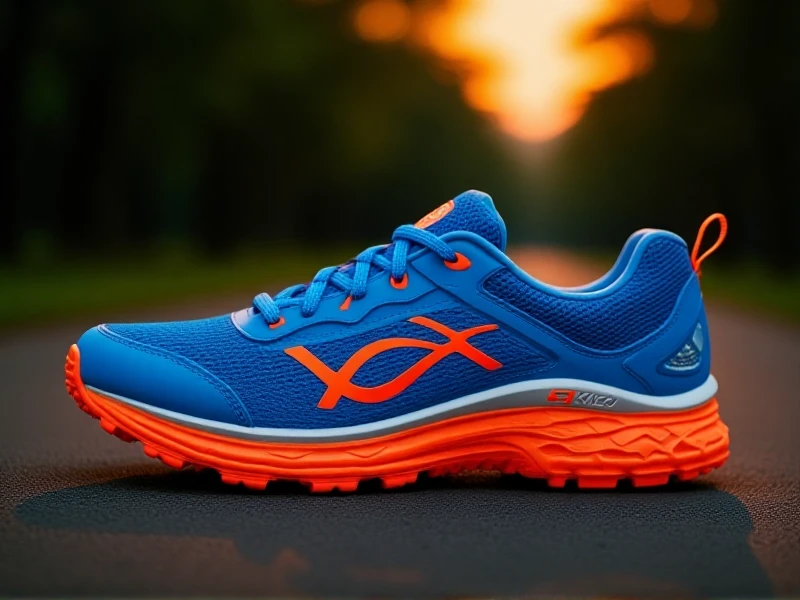
Choosing the Perfect Running Shoes: Your Ultimate Footwear Guide
Finding the right pair of running shoes is critical for comfort, performance, and injury prevention. Wearing poorly fitting or unsuitable footwear can lead to unnecessary aches, blisters, or even longer-term problems, derailing any fitness routine. With countless brands, models, and technologies available, the selection process can feel overwhelming. This guide breaks down the key factors to help you invest wisely in your running journey.
Comfort and proper fit are non-negotiable. Your running shoes should feel secure without being restrictive. Ensure there's ample wiggle room for your toes — aim for roughly a thumbnail's width of space between your longest toe and the shoe's front. The heel should cup snugly without slipping, and the midfoot shouldn't feel pinched. Trying shoes on later in the day when feet are slightly swollen mimics conditions during a run. Don't compromise; if it doesn't feel fantastic in the store, it definitely won't during miles on the road or trail.
Understanding the purpose behind the shoe design significantly influences your choice. Consider your running terrain and style:
- Road Runners: Designed for pavement, prioritize cushioning, smooth transitions, and weight.
- Trail Runners: Feature aggressive lugs for bite on loose surfaces, plus enhanced protection and stability against rocks and roots. Matching the shoe to your activity ensures you get the necessary support and responsiveness. Key technologies like impact-absorbing foam midsoles and structured heel counters play a vital role in alignment and energy return. Furthermore, factors like your gait pattern and arch height might necessitate specific shoe types, such as stability designs or max-cushioned options.
Selecting the best running shoes transforms every step. Proper footwear enhances efficiency, reduces fatigue, and significantly lowers injury risks like shin splints or plantar fasciitis. Quality running footwear provides essential protection.