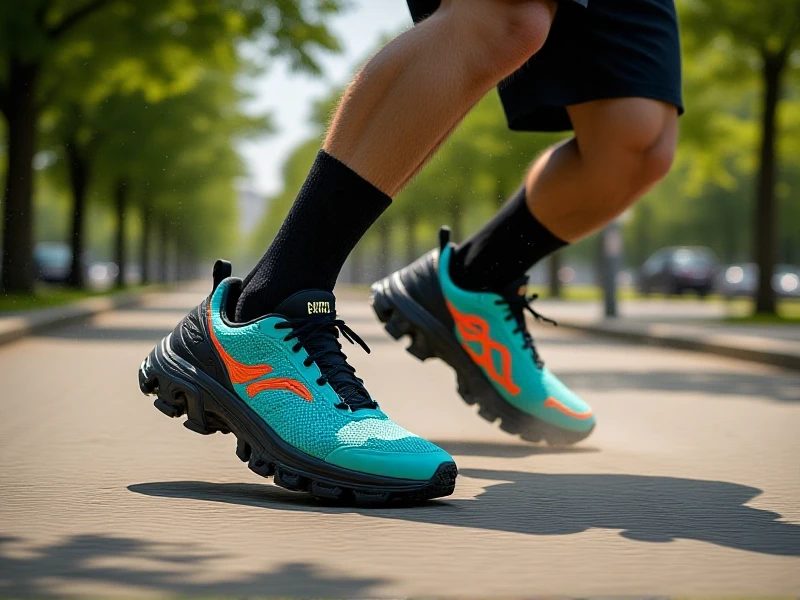
Unlock Your Best Run: Choosing Running Shoes That Enhance Performance
Every stride matters. Running offers incredible health benefits, but hitting the pavement, trail, or treadmill requires more than willpower – it demands the right running shoes. Wearing footwear not suited for your feet, gait, or terrain can lead to discomfort, injuries, and diminished performance. Understanding what makes a great running shoe empowers you to run stronger and longer.
The foundation lies in running shoes engineered with sophisticated technology. Key components significantly impact your experience:
- Midsole Magic: This cushioning layer absorbs impact and provides energy return. Materials like EVA foam offer softness, while newer compounds like PEBA or TPU boast greater responsiveness and durability. Some feature varying densities (dual-density foam) to enhance stability and guide your foot through its natural motion.
- Rockered Geometry: Many modern shoes incorporate a rockered sole design. This subtle curve from heel to toe promotes a smoother, more efficient rolling motion, reducing strain on joints and conserving energy – crucial for longer distances.
- Upper Support & Breathability: Engineered mesh uppers offer lightweight structure, secure lockdown through lacing systems, and critical ventilation to keep feet cool and dry during intense efforts. Seamless construction minimizes friction and potential blister points.
Choosing Your Perfect Pair:
- Know Your Terrain: Are you primarily a road runner tackling sidewalks and asphalt? Opt for shoes prioritizing cushioning and durability. Trail runners need aggressive outsoles with deep lugs for traction on mud, rocks, and roots, plus added protection from debris.
- Understand Your Foot & Gait: Visit a specialty running store for a gait analysis. They assess whether you overpronate (foot rolls inward excessively), supinate (rolls outward), or have a neutral stride. This dictates if you need stability shoes, motion control shoes, or neutral cushioning shoes.
- Prioritize Fit: Your longest toe should have a thumb's width of space from the shoe's end. The heel should fit snugly without slipping, the midfoot comfortably secure, and the toe box roomy enough to wiggle toes without constriction – especially during foot swell in longer runs. Width options are vital.
- Consider Specialized Needs: Need maximum cushioning for recovery runs or marathon distances? Look for "max cushion" models. Speedwork and racing calls for lighter, more responsive "performance trainers" or racing flats. Replace regularly: Most running shoes lose effective cushioning between 300-500 miles.
Investing in the right running shoes isn't just about comfort; it's about preventing injury and unlocking your running potential. By focusing on fit, function, and features tailored to your running style and needs, you can ensure every step is a confident one towards achieving your goals. Listen to your feet – they're your best guide to finding footwear that truly works. Your next personal best awaits in the right pair.