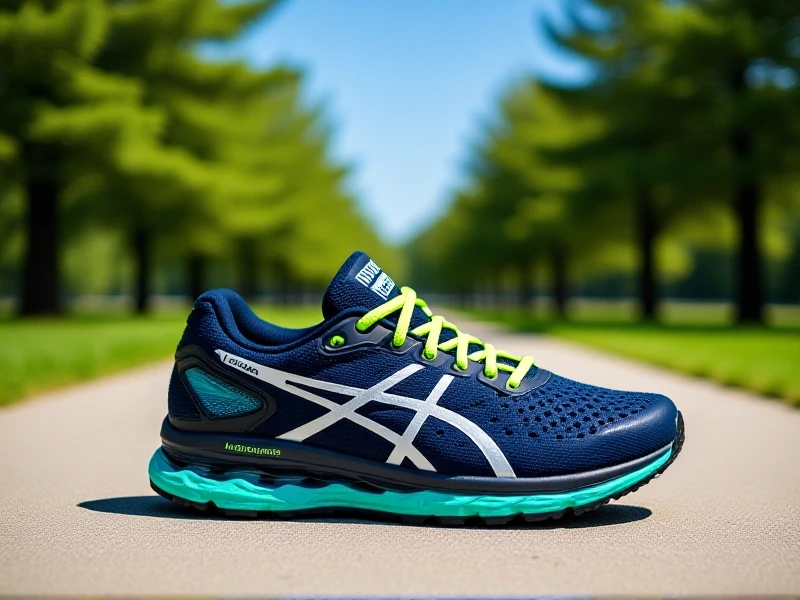
Discover Your Perfect Pair: The Ultimate Sports Shoes Buying Guide
Here's an SEO-optimized article about sports shoes:
Finding the right sports shoes isn't just about looking stylish; it's fundamental to performance, injury prevention, and overall enjoyment of your chosen activity. With countless options flooding the market, selecting the ideal pair can feel overwhelming. This guide demarks key factors to consider, helping you make an informed decision for your feet and your sport.
Your primary activity dictates the shoe category. Running shoes prioritize cushioning and forward motion, featuring ample heel padding and flexible designs to absorb impact mile after mile. Cross-training shoes offer versatility, with firmer, wider soles providing stability for lateral movements, weights, aerobics, and circuit training. Basketball models emphasize ankle support and aggressive traction for quick pivots and jumps. Soccer cleats, tennis footwear with reinforced toe caps and specific tread patterns, or walking shoes all have specialized features honed for their sport. Wearing running shoes for tennis, for instance, increases instability and injury risk.
Lightweight Flexibility Meets Reliable Support Analyze your foot type and gait. Common types are neutral, overpronation (foot rolls inward), or supination (foot rolls outward). Many athletic stores offer gait analysis to pinpoint this. Choosing stability or motion control shoes aids significant overpronators, while neutral shoes suffice for neutral gaits or mild pronation. Supinators usually need highly cushioned, flexible neutral shoes. Comfort remains paramount: a snug (not tight) heel, adequate toe room (about a thumbnail's space), and freedom for natural flexing without slippage. Ensure the width accommodates your foot properly to prevent blisters.
Cushioning balances comfort with responsiveness. While maximal cushioning suits long distances or joint sensitivity, runners seeking a faster feel might prefer a responsive, firmer midsole. Traction patterns vary significantly – smooth indoor courts need non-marking rubber with consistent grip, while trail running demands deep, multidirectional lugs. Breathable mesh uppers enhance comfort during intense workouts.
Inspect the midsole for early wear signs. Replacing running or frequently used shoes every 300-500 miles, or approximately every 6-12 months depending on usage frequency, is recommended to maintain proper support and cushioning. Worn-out midsoles compromise both comfort and protection.
Finally, investing in quality sports shoes represents an investment in fitness success and injury prevention. Prioritizing function over fleeting style ensures footwear that genuinely supports activity goals. Understanding your unique needs—your sport, foot mechanics, and desired features—guides you to the sports shoes that transform performance and maximize training pleasure. Step with confidence towards achieving peak results.