2026-02-03
>
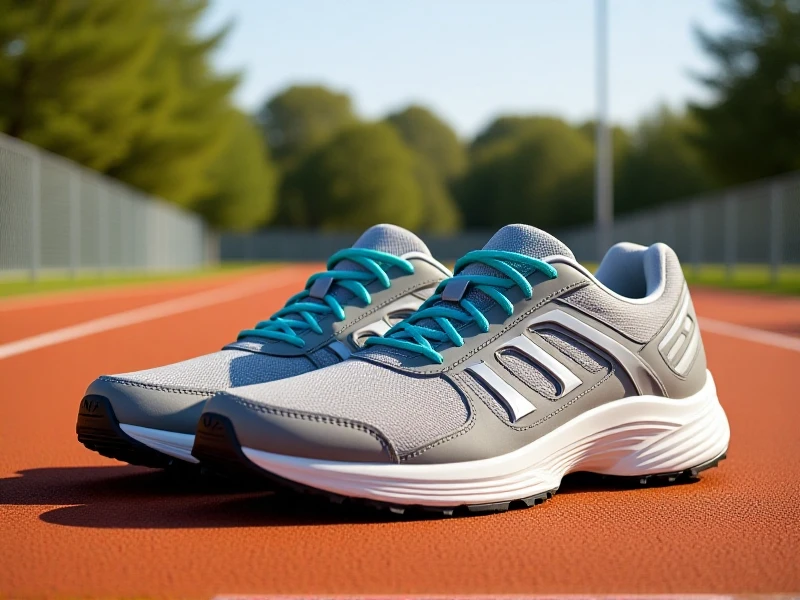
Your running shoes are far more than just footwear; they're your primary protection against impact and your key ally in performance. Choosing the right pair isn't just about style – it influences your comfort, efficiency, and crucially, helps prevent injuries. Every stride sends shockwaves through your legs, and quality running shoes are engineered to absorb this impact effectively.
The technology in modern running shoes focuses on three critical areas: support, cushioning, and breathability. Support stabilizes your foot, preventing excessive inward rolling (overpronation) or outward rolling (supination), which can lead to knee, hip, or ankle issues and muscle strain. Cushioning, often using advanced foams, acts as your shock absorber, lessening the stress on joints. Breathability, achieved through engineered mesh, keeps your feet cool and dry, minimizing blisters and discomfort throughout your run.
Selecting Your Perfect Running Shoes:
- Know Your Gait: Understanding whether your foot rolls inward (overpronation), stays neutral, or rolls outward (supination) is foundational. Specialist running stores offer gait analysis – a worthwhile step to find shoes tailored to your movement.
- Match the Terrain:
- Road Running Shoes: Designed for pavement and treadmills. They prioritize flexibility and lightweight cushioning.
- Trail Running Shoes: Built for dirt paths, rocks, and roots. Look for aggressive tread, increased stability, and enhanced underfoot rock protection.
- Versatile Options: Cross-trainers offer moderate stability and cushioning suitable for gym workouts and occasional light running.
- Prioritize Fit & Comfort: Size isn't static. Always try on running shoes in the afternoon when feet are naturally slightly swollen. Ensure a thumb's width (roughly half an inch) of space between your longest toe and the shoe end. The shoe should feel secure, not tight, especially in the midfoot and heel. There should be no pinching or hotspots. Consider your foot width and arch type.
- Check the Cushioning Level: Preferences range from maximal (plush, high stack) to minimal (low to ground). Moderate cushioning suits most runners. Match the level to the distances you typically run.
Don't settle for discomfort or risk injury. Invest the time and effort to discover the running shoes engineered for your unique feet and running habits. Visit a specialist retailer, get expert advice, try on multiple models, and feel the difference that the perfect fit and technology make. Your best runs start with the best foundation. Find your ideal pair and run stronger, longer.
>
Your running shoes are far more than just footwear; they're your primary protection against impact and your key ally in performance. Choosing the right pair isn't just about style – it influences your comfort, efficiency, and crucially, helps prevent injuries. Every stride sends shockwaves through your legs, and quality running shoes are engineered to absorb this impact effectively.
The technology in modern running shoes focuses on three critical areas: support, cushioning, and breathability. Support stabilizes your foot, preventing excessive inward rolling (overpronation) or outward rolling (supination), which can lead to knee, hip, or ankle issues and muscle strain. Cushioning, often using advanced foams, acts as your shock absorber, lessening the stress on joints. Breathability, achieved through engineered mesh, keeps your feet cool and dry, minimizing blisters and discomfort throughout your run.
Selecting Your Perfect Running Shoes:
- Know Your Gait: Understanding whether your foot rolls inward (overpronation), stays neutral, or rolls outward (supination) is foundational. Specialist running stores offer gait analysis – a worthwhile step to find shoes tailored to your movement.
- Match the Terrain:
- Road Running Shoes: Designed for pavement and treadmills. They prioritize flexibility and lightweight cushioning.
- Trail Running Shoes: Built for dirt paths, rocks, and roots. Look for aggressive tread, increased stability, and enhanced underfoot rock protection.
- Versatile Options: Cross-trainers offer moderate stability and cushioning suitable for gym workouts and occasional light running.
- Prioritize Fit & Comfort: Size isn't static. Always try on running shoes in the afternoon when feet are naturally slightly swollen. Ensure a thumb's width (roughly half an inch) of space between your longest toe and the shoe end. The shoe should feel secure, not tight, especially in the midfoot and heel. There should be no pinching or hotspots. Consider your foot width and arch type.
- Check the Cushioning Level: Preferences range from maximal (plush, high stack) to minimal (low to ground). Moderate cushioning suits most runners. Match the level to the distances you typically run.
Don't settle for discomfort or risk injury. Invest the time and effort to discover the running shoes engineered for your unique feet and running habits. Visit a specialist retailer, get expert advice, try on multiple models, and feel the difference that the perfect fit and technology make. Your best runs start with the best foundation. Find your ideal pair and run stronger, longer.