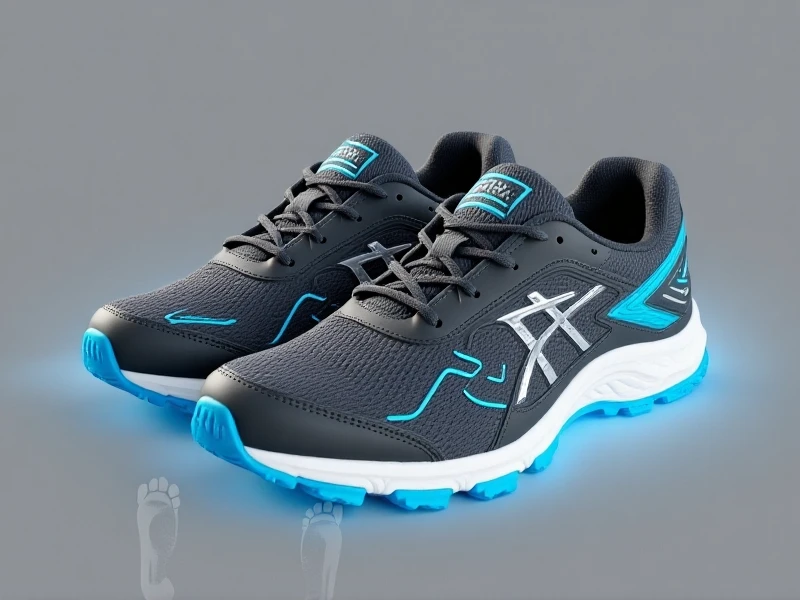
Discover the Top Benefits and Tips for Choosing Sports Shoes
Sports shoes are essential for anyone engaging in physical activities, whether you're a professional athlete or a weekend jogger. The right footwear can boost performance, prevent injuries, and enhance overall comfort during workouts. In this guide, we explore the key benefits of sports shoes, the various types available, and practical tips for selecting the perfect pair to suit your needs.
Why Sports Shoes Matter
High-quality sports shoes provide crucial support for your feet, reducing the risk of common issues like plantar fasciitis or ankle sprains. For instance, the cushioning in modern sports shoes absorbs shock during high-impact movements, such as running or jumping. This not only protects your joints but also improves endurance, allowing you to push further in your training sessions. Features like breathable materials keep feet cool and dry, preventing blisters and discomfort. Many avid runners notice that upgrading their sports shoes leads to better speed and efficiency, making all the difference in competitive sports or daily fitness routines.
Types of Sports Shoes for Different Activities
Not all sports shoes are the same. Running shoes typically emphasize lightweight design and extra padding for forward motion, ideal for marathons or trail runs. Basketball shoes focus on lateral support and ankle stability to handle quick pivots and jumps. If you're into tennis, court-specific sports shoes offer durable outsoles for rapid stops and starts on hard surfaces. For cross-training, versatile models provide a balance of flexibility and support, accommodating gym workouts or casual walks. Understanding these distinctions helps you invest wisely, ensuring your sports shoes match your primary activities.
How to Choose the Best Sports Shoes
When shopping for sports shoes, prioritize fit and function. Start by measuring your feet in the afternoon when they're slightly swollen, using a foot-sizing chart online or in-store. A proper fit means your toes have enough room to wiggle without the heel slipping. Test the arch support by walking around; it should feel natural and not cause strain. Consider factors like pronation (your foot's inward roll) – neutral shoes are great for average arches, while stability options suit overpronators. Look for key features such as shock-absorbing soles made of EVA foam and breathable uppers like mesh fabric. Visiting a specialized retailer can offer personalized advice and gait analysis to find your ideal pair. As new releases arrive, research consumer reviews to compare brands.
Ultimately, upgrading your sports shoes is an investment in your health and athletic journey. Browse reputable stores for the latest designs and promotions. Ready to elevate your game? The perfect sports shoes will make every step count.