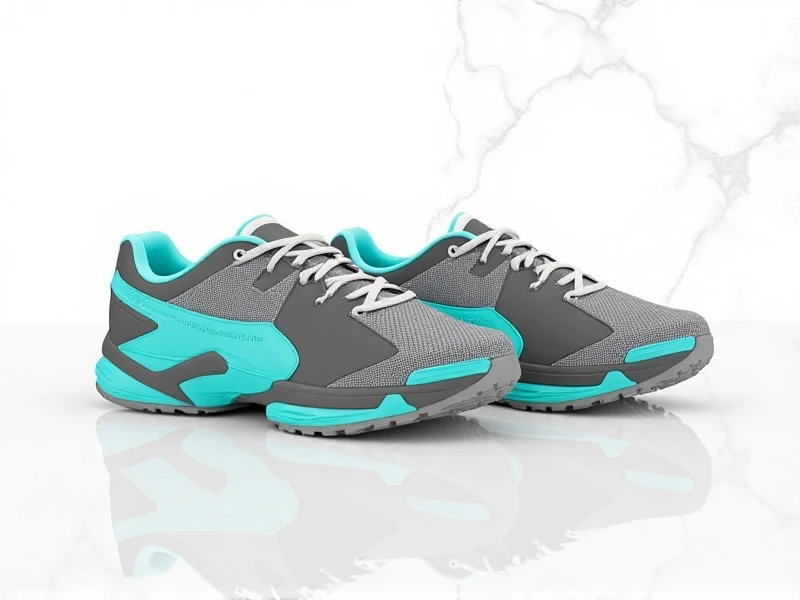
Find Your Perfect Fit: The Ultimate Guide to Choosing Running Shoes
2026-02-03
Tired of foot pain or lackluster runs? The secret often lies beneath your feet. Choosing the right running shoes isn't just about style; it's crucial for comfort, performance, and injury prevention. With so many options for different terrains and running styles, finding your ideal pair becomes an essential step.
Let's break down running shoe anatomy and why each part matters:
- Cushioning: Ranges from minimal to maximum plushness. Highly cushioned models absorb shock on roads, while minimalist shoes offer a natural feel. Responsive midsoles propel you forward. Finding your sweet spot prevents fatigue.
- Stability & Support: Crucial for overpronators (feet rolling inward). Look for features like medial posts or firmer foam on the inner side. Neutral runners require less structure for freer movement. Motion control shoes offer maximum support for significant overpronation.
- Fit & Feel: Always prioritize a proper fit. A thumb's width space between your longest toe and the shoe's end prevents black toenails. A snug yet comfortable heel prevents blisters, and a roomy toe box allows toes to splay naturally while running. Mesh uppers boost breathability.
- Outsole: Rubber lugs provide superior grip on trails, while durable carbon rubber handles road wear. Flexible grooves enhance a smooth stride transition.
Popular brands like Nike, ASICS, Brooks, New Balance, and Saucony offer great choices across categories:
- Road Running Shoes: Focus on cushioning and durability for pavement. Examples: Nike Pegasus, ASICS Gel-Nimbus.
- Trail Running Shoes: Feature aggressive tread, rock plates for protection, and enhanced stability for unpredictable terrain. Examples: Salomon Speedcross, Brooks Cascadia.
- Performance/Racing Shoes: Lightweight, often featuring carbon fiber plates or super foams for increased speed and efficiency. Examples: Nike Vaporfly, Adidas Adizero Adios.
Expert Buying Tips:
- Know Your Gait: Visit a specialty running store for a gait analysis to determine pronation type.
- Shop Later: Feet swell throughout the day. Fit shoes in the afternoon.
- Bring Your Socks: Use the socks you typically run in.
- Consider Terrain: Match shoes to your primary running surface.
- Track Mileage: Replace running shoes every 300-500 miles. Worn cushioning loses shock absorption, increasing injury risk.
Listen to your feet and body. Discomfort means it's replacement time. Invest time finding your perfect pair – your feet (and your runs) will thank you. Ready to run stronger and farther? Step into the right gear today.
CATEGORYS: